


A candidate walks into the interview room, says all the right things, and gets hired. Six months later, they are struggling to do the actual job. Sound familiar? This gap between how someone interviews and how someone performs is exactly the problem talent assessment was built to solve.
Talent assessment is the structured process of measuring a candidate’s skills, cognitive ability, and personality before making a hiring decision, instead of relying only on a resume and a gut feeling from an interview.
This guide covers what talent assessment actually measures, the different types recruiters commonly use, how to build a process that works, and the common mistakes to avoid along the way.
TL;DR Summary
- Talent assessment measures skills, cognitive ability, and personality before a hiring decision is made
- It exists to close the gap between how a candidate presents themselves and how they actually perform
- Common types include skills tests, cognitive ability tests, personality assessments, and situational judgment tests
- A good process is short, role specific, and paired with a structured interview, not used alone
- Structured assessment tends to reduce turnover and create a fairer, more consistent hiring process
What Talent Assessment Actually Measures
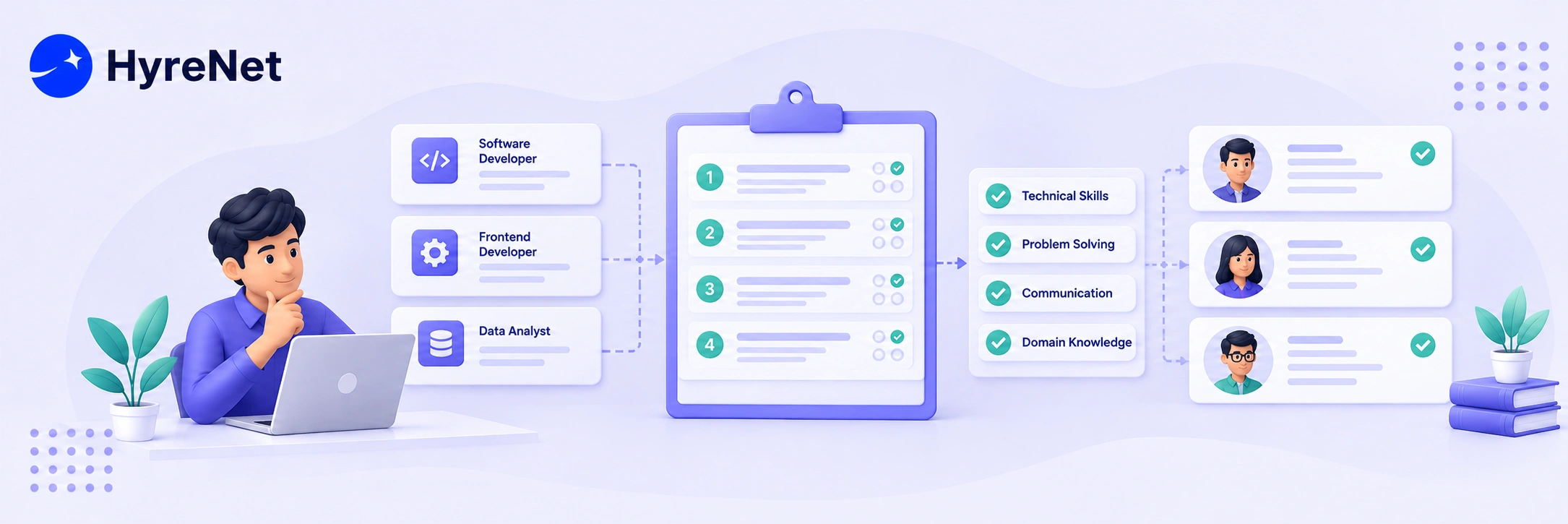
Talent assessment is not one single test. It covers a range of tools used to evaluate different parts of a candidate’s fit for a role, and most recruiters end up combining more than one.
- Technical skills assessments: Check whether a candidate can actually do the work, whether that means writing code, analyzing a spreadsheet, or handling a customer scenario
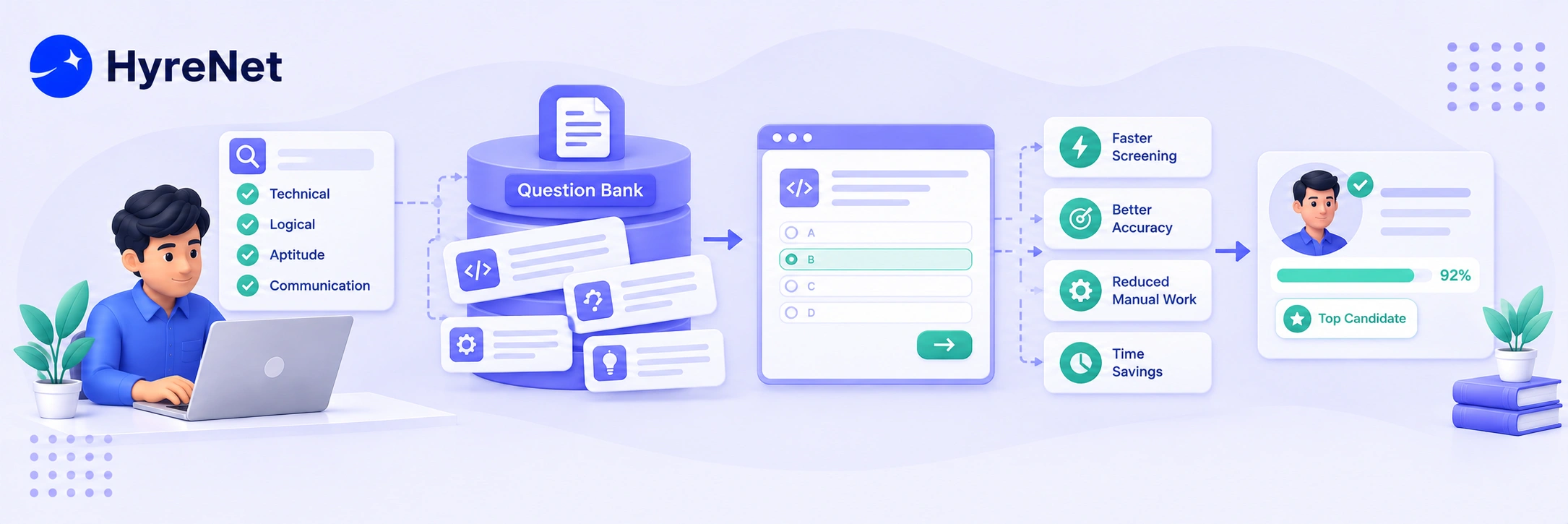
- Cognitive assessments: Measure problem solving speed and reasoning ability, which often predict how quickly someone will learn on the job
- Personality assessments: Look at traits like conscientiousness or teamwork tendencies that affect day to day performance
- Simulations: Give candidates a task that mirrors the actual job, such as debugging a small piece of code or handling a mock customer complaint
Used together, these pieces give recruiters a much fuller picture than a resume or interview alone ever could.
Why Talent Assessment Matters More Than a Resume
A resume tells you what someone claims to have done. It does not tell you how well they can actually do it, and interviews alone are surprisingly unreliable predictors of job performance. Interviewers can be swayed by confidence or communication style, neither of which reliably predicts actual job success.
Picture two candidates interviewing for the same analyst role. One tells a confident, polished story about a past project. The other is quieter but scores noticeably higher on a structured problem solving exercise. Without an assessment, the confident storyteller usually wins the room, even if the quieter candidate would perform better on the actual job.
| Hiring Signal | What It Actually Tells You | Reliability |
|---|---|---|
| Resume | What a candidate claims to have done | Low, since it is entirely self-reported |
| Unstructured interview | How confident and articulate someone is | Moderate, easily swayed by likability |
| Talent assessment | How a candidate actually performs on a relevant task | High, based on demonstrated ability |
Common Types of Talent Assessment
Recruiters typically draw from a handful of talent assessment categories, and the right combination depends heavily on what the role actually requires day to day.
| Assessment Type | What It Tests | Best Used For |
|---|---|---|
| Skills based tests | Job specific abilities, like coding or writing | Roles with clear, hands-on technical output |
| Cognitive ability tests | Reasoning, memory, and problem solving speed | Roles that require fast learning on the job |
| Personality assessments | Collaboration style, adaptability, stress tolerance | Team-heavy or high pressure roles |
| Situational judgment tests | How a candidate responds to realistic work scenarios | Customer facing or leadership positions |
A customer facing role, for example, often benefits more from a situational judgment test paired with a personality check than from a pure coding exercise.
Building a Talent Assessment Process That Actually Works
A good process starts with a clear picture of what success looks like in the role, before you even choose a test.
- Define success first: Ask what skills and traits genuinely separate a strong performer from a struggling one
- Keep it focused: A long, generic test frustrates candidates and produces weaker signal than a short, targeted one that mirrors real job tasks
- Pair it with a human conversation: Assessment results work best as one strong data point alongside a structured interview, not as the sole decision maker
- Get the timing right: Introducing the assessment early respects a candidate’s time and lets recruiters focus interview slots on people who have already shown real ability
This is where a platform like HyreNet becomes genuinely useful. Instead of stitching together separate tools for skills testing, cognitive checks, and scoring, HyreNet brings the entire process into one place, making it easier for teams to run consistent, fair evaluations at scale.
Do check out HyreNet’s breakdown of common recruitment challenges and how modern assessment platforms solve them to learn more about applying this in practice.
Common Mistakes Recruiters Make With Talent Assessment
These mistakes show up often, even on otherwise well run hiring teams.
- Using a generic test for every role: A talent assessment built for a sales role rarely tells you much about a candidate’s fit for technical support
- Making the assessment too long: Candidates drop off when a process feels excessive, costing you strong applicants who simply run out of patience
- Treating scores as the final word: Assessment results work best as part of a broader picture, alongside interviews and reference checks, not the entire decision
- Never revisiting the test: Roles change over time, so a process that worked two years ago may no longer measure what actually matters today
How Talent Assessment Improves Long Term Hiring Outcomes
- Lower turnover: Candidates are matched more accurately to the actual demands of the role from the start, meaning fewer surprises after onboarding and fewer mismatches that lead to early departures
- A fairer, defensible process: When every candidate goes through the same talent assessment steps, recruiters have clear, comparable data to explain hiring decisions, which matters both for fairness and for compliance in many industries
- Better candidate experience: A thoughtful, relevant assessment signals that a company takes hiring seriously, while a confusing one can quietly damage how candidates perceive the brand
- Sharper hiring over time: Data collected across repeated cycles helps recruiting teams refine what “success” actually looks like for a given role
For a real example of this in action, do check out HyreNet’s post on how their AI-powered assessments have helped companies cut hiring costs by up to 40 percent by reducing manual screening time and travel related expenses.
Getting Started With Talent Assessment
If your team is new to structured talent assessment, start small. Pick one role with a high volume of applicants or a history of mismatched hires, and introduce a focused, relevant assessment for that role first.
Measure the results over a few hiring cycles before expanding further. Track whether the candidates who scored well are actually performing well on the job months later. This feedback loop is what turns the process from a checkbox exercise into a genuinely useful part of your hiring strategy.
Platforms like HyreNet are built specifically to make this easier, offering ready to use assessment templates alongside the flexibility to build role specific tests, so recruiting teams do not have to start entirely from scratch.
Conclusion
Talent assessment, done well, is not about adding friction to hiring. It is about replacing guesswork with real signal, so recruiters can make faster, fairer, and more accurate decisions about who is actually the right fit for the job.
As hiring volumes grow and roles become more specialized, that kind of structured signal only becomes more valuable. Recruiters who invest the time to build a thoughtful process now tend to spend far less time later untangling bad hires and avoidable turnover.
FAQs
What is the main purpose of talent assessment?
Talent assessment gives recruiters structured, comparable data on every candidate’s skills and traits, instead of relying only on a resume and interview impressions.
Do candidates drop out because of assessments?
Yes, if the test feels too long or irrelevant to the actual job. Keeping it under 30 to 45 minutes and clearly tied to real job tasks significantly reduces drop off compared to generic, lengthy tests.
Is talent assessment only useful for entry level hiring?
No. Senior and leadership roles benefit too, though the format shifts toward situational judgment and case style exercises rather than pure skills tests, since judgment and decision making matter more at that level.
How is this different from a basic pre-employment skills test?
A skills test is just one piece of talent assessment. The full process usually combines skills testing with cognitive or personality evaluation, giving a broader picture of fit rather than just technical competence alone.