


Recruitment in 2026 is faster, more competitive, and more technology-driven than before. Recruiters are now not just checking resumes and scheduling interviews. They are also dealing with AI-generated applications, remote hiring risks, skill verification, candidate drop-offs, and pressure from hiring managers.
The challenge is pretty clear. Companies want better talent in less time, but recruiters cannot depend on manual screening alone. AI-related hiring is also rising quickly, especially in India’s IT sector, where AI roles grew even as overall IT hiring slowed in June 2026.
This is where recruitment technology helps. The right tools can make hiring faster, fairer, and more skill-focused. Let us now discuss the top 5 recruitment challenges and how technology solves them.
TL;DR
- Recruiters in 2026 face high application volume, AI-generated profiles, remote hiring risks, and stronger pressure to hire faster.
- AI resume screening tools help recruiters filter large candidate pools and focus on the most relevant profiles.
- Technical assessment tools help verify real skills through coding tests, role-based tasks, SQL questions, debugging challenges, and work samples.
- AI proctoring, plagiarism checks, hiring analytics, and structured interviews make recruitment more secure, fair, and consistent.
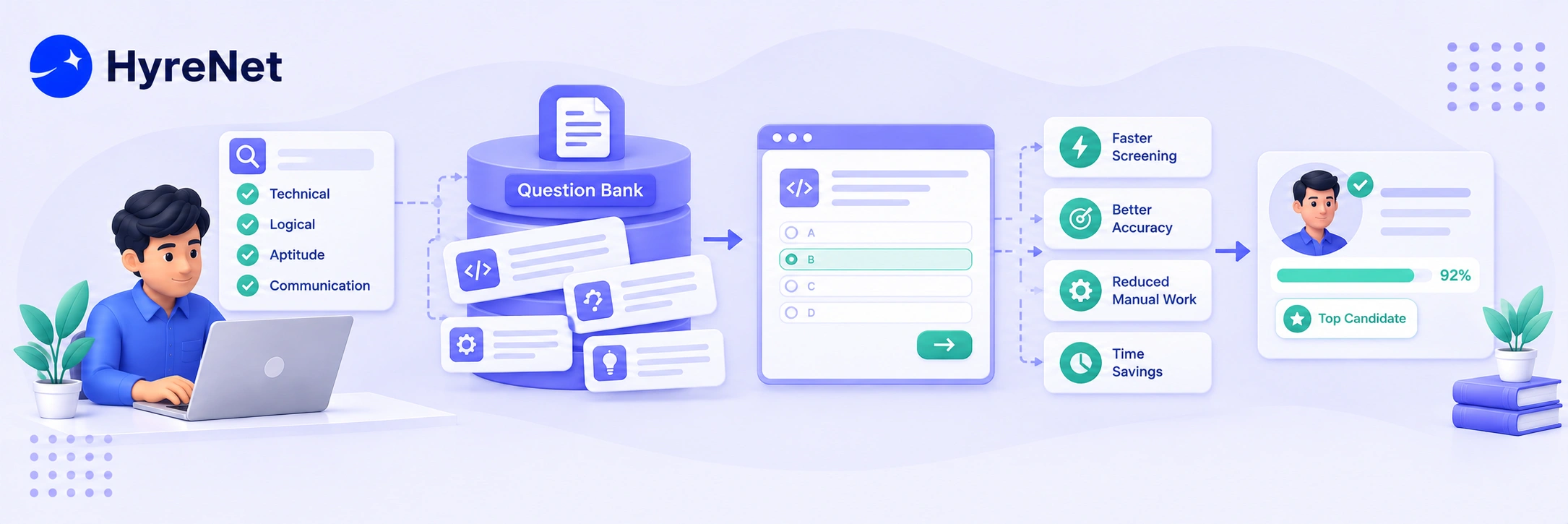
- Tools like HyreNet help recruiters assess coding skills, reduce manual screening, run AI-proctored tests, and shortlist better candidates with confidence.
1. Too Many Applications, Not Enough Time
Recruiters often receive hundreds of resumes for one role. Many profiles look similar, especially when candidates use the same keywords from the job description. Manually checking every resume takes time and still does not guarantee the best shortlist.
Technology That Solves It: AI Resume Screening Tools
AI resume screening tools help recruiters scan resumes faster and match candidates with role requirements. These tools can identify relevant skills, experience, keywords, certifications, and work history in seconds.
They do not replace recruiter judgment. They simply reduce the first layer of manual work, so recruiters can spend more time speaking to the right candidates.
2. Resumes Do Not Prove Real Skills
A resume can say that a candidate knows Python, SQL, React, AWS, or Docker. Still, it does not show whether the candidate can actually use those skills in real work.
This is one of the biggest challenges in technical hiring. Hiring managers often reject candidates after interviews because the resume looked stronger than the actual skill level.
Technology That Solves It: Technical Assessment Tools
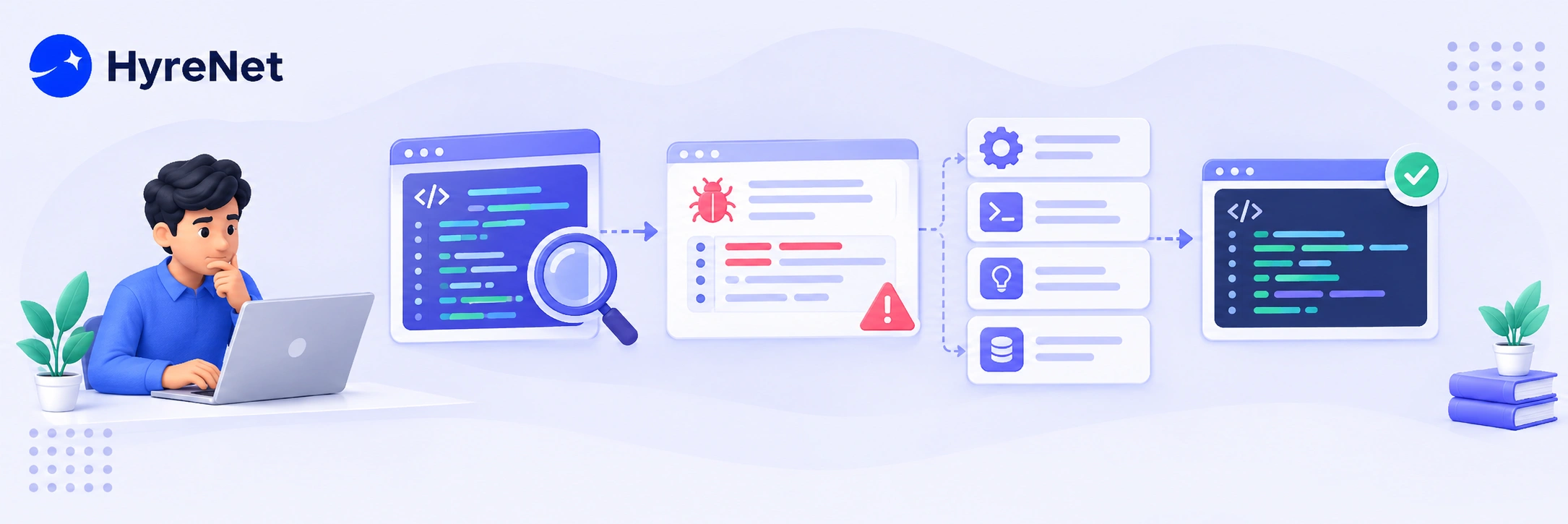
Technical assessment tools help recruiters test real ability before interviews. Candidates can complete coding tests, role-based tasks, SQL questions, debugging challenges, cloud assessments, or work sample tests.
This helps recruiters send stronger profiles to hiring managers. It also gives skilled candidates a fair chance, even when they do not have a big company name or premium college background.
50% of companies have already faced AI deepfake fraud during hiring, from fake video interviews to synthetic identities.
3. Remote Hiring Fraud Is Becoming Smarter
Remote hiring has made recruitment more flexible, but it has also created new risks. Some companies are now dealing with proxy candidates, AI-generated answers, hidden devices, and outside help during assessments. Reports in 2026 show that companies are using AI-powered proctoring and stricter monitoring to handle fraud in campus hiring. This makes test integrity a serious concern for recruiters.
Technology That Solves It: AI Proctoring and Plagiarism Detection
AI proctoring tools help monitor remote assessments through webcam checks, browser tracking, copy-paste detection, screen monitoring, and unusual activity alerts.
Plagiarism detection tools also compare answers, code patterns, and submissions to identify copied work. Recruiters should use these tools carefully, so the process stays secure without making candidates uncomfortable.
4. Poor Candidate Experience
Good candidates often drop off when the hiring process feels slow, unclear, or too demanding. Long tests, delayed responses, confusing instructions, and repeated follow-ups can make candidates lose interest.
Candidate experience matters because top talent usually has more than one option.
Technology That Solves It: Recruitment Automation and Candidate Communication Tools
Recruitment automation tools help recruiters send updates, reminders, interview links, test instructions, and status changes on time. Chatbots can answer basic candidate questions, while automated workflows reduce manual follow-ups.
This keeps candidates informed throughout the process. A smoother experience also improves employer branding and increases the chances of offer acceptance.
38% of candidates are now using AI tools somewhere in the application process, from resumes to interview answers.
5. Hiring Decisions Are Still Too Subjective
Recruiters and hiring managers may judge candidates differently. One interviewer may focus on communication. Another may focus only on technical depth. This can make hiring inconsistent.
Subjective decisions can also lead to missed talent, especially when candidates come from non-traditional backgrounds.
Technology That Solves It: Hiring Analytics and Structured Interview Platforms
Hiring analytics tools help teams compare candidates using clear data points such as assessment scores, interview feedback, source quality, time-to-hire, and offer conversion.
Structured interview platforms help recruiters use the same questions, scorecards, and evaluation criteria for every candidate. This makes hiring more consistent and easier to review.
Better data does not remove human judgment. It helps recruiters and hiring managers make decisions with more clarity.
Want to make technical hiring simpler, faster, and more reliable? With HyreNet, recruiters can assess real coding skills, run AI-proctored tests, reduce manual screening, compare candidates with structured reports, and shortlist the right talent with more confidence.
Final Thoughts
Recruitment challenges in 2026 are not only about finding more candidates. They are about finding the right candidates faster, proving real skills, protecting hiring integrity, and keeping the process human.
Technology can solve many hiring problems, but only when recruiters use it with purpose. AI screening, technical assessment tools, proctoring software, automation platforms, and hiring analytics all work best when they support better human decisions. The future of recruitment is not fully automated. It is smarter, more structured, and more skill-focused.
FAQs
What are the top recruitment challenges in 2026?
The top recruitment challenges in 2026 include high application volume, skill verification, remote hiring fraud, poor candidate experience, and subjective hiring decisions.
How can technology improve recruitment?
Technology improves recruitment by automating resume screening, testing real skills, tracking candidates, improving communication, and helping teams make data-backed hiring decisions.
Why are technical assessment tools important in recruitment?
Technical assessment tools help recruiters verify real candidate skills before interviews. They reduce resume guesswork and improve the quality of shortlisted candidates.
How does AI help recruiters in 2026?
AI helps recruiters screen resumes faster, match candidates to job roles, automate communication, detect hiring fraud, and improve recruitment analytics.
Can recruitment technology improve candidate experience?
Yes. Recruitment technology improves candidate experience by sending timely updates, simplifying assessments, reducing delays, and keeping candidates informed throughout the hiring process.